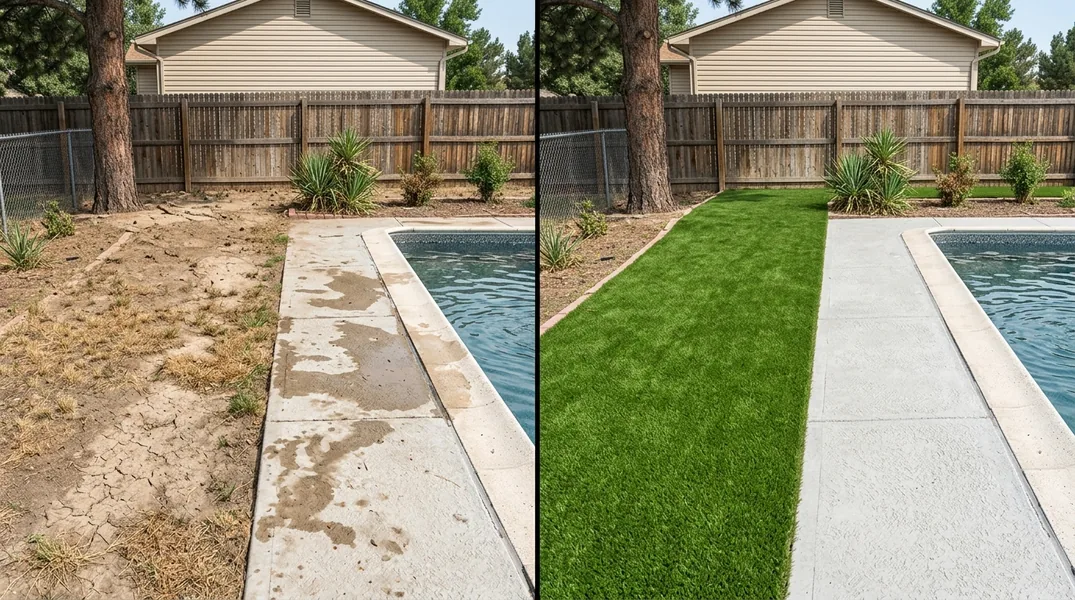
Understanding HOA Restrictions on Artificial Grass in Pueblo
Homeowners associations (HOAs) in Pueblo and surrounding communities have established guidelines that govern exterior property modifications, including landscaping choices. If you live in an HOA community, you've likely received a covenant document outlining what you can and cannot do with your front yard. Many homeowners assume that artificial turf is automatically prohibited, but the reality is more nuanced. Some HOAs embrace synthetic grass as a water-conservation solution, while others maintain strict rules requiring natural lawn. Understanding your specific HOA's stance is the first critical step before investing in Residential Artificial Grass Installation.
The reason HOAs regulate landscaping is straightforward: they aim to maintain property values and aesthetic consistency across the neighborhood. In Colorado's semi-arid climate, where water conservation has become increasingly important, many HOAs are beginning to recognize artificial grass as a legitimate alternative to traditional sod. However, older covenants may contain language that predates this shift in thinking. Before you contact a contractor, pull out your HOA documentation and search for keywords like 'landscaping,' 'turf,' 'natural grass,' or 'synthetic materials.' This preliminary review will save you time and prevent costly mistakes down the road.
How to Request HOA Approval for Your Artificial Grass Project
The approval process typically begins with submitting a formal request to your HOA board or architectural review committee. Most Pueblo-area HOAs require homeowners to complete an architectural modification form before proceeding with any exterior changes. This form usually asks for a detailed description of the project, including materials, colors, installation timeline, and often before-and-after photos or renderings. The key to gaining approval is presenting your request professionally and addressing the HOA's likely concerns upfront.
When submitting your application, include information about the specific artificial grass product you plan to use, such as pile height, color options, and drainage capabilities. Many modern synthetic turf products are designed to look remarkably realistic and perform well in Colorado's climate, which can alleviate aesthetic concerns. Additionally, highlight the environmental and financial benefits: reduced water usage, lower maintenance costs, and year-round green appearance. If your HOA has expressed concerns about artificial grass in the past, research whether any neighboring communities have successfully installed it and share that information with your board. Providing samples or product documentation can significantly strengthen your case and demonstrate that you've done your homework.
Common HOA Objections and How to Address Them
HOA boards often raise several predictable concerns when artificial grass applications arrive on their desks. The most common objection centers on appearance and authenticity. Older board members or those unfamiliar with modern synthetic turf may harbor outdated impressions of plastic-looking, unnaturally bright green lawns. The solution is simple: show them samples of contemporary artificial grass products. Today's turf technology has advanced dramatically, with realistic color variations, natural-looking blade shapes, and textures that closely mimic authentic grass. Inviting a board representative to walk your property or providing high-quality photos of similar installations in the area can transform skepticism into acceptance.
A second common concern involves drainage and environmental impact. HOAs worry that artificial grass might trap water or create runoff problems. Reputable synthetic turf products include sophisticated drainage systems that actually perform better than natural grass in heavy rain. When presenting your proposal, explain the drainage specifications of your chosen product and emphasize that proper installation ensures water permeates the base and flows as designed. Some boards also express concerns about heat retention or the use of synthetic materials in general. Counter these objections with factual information about modern turf composition, UV resistance, and the role artificial grass plays in water conservation, particularly important in Colorado's climate. If your HOA remains hesitant, ask whether they'd be willing to approve a trial installation or require a performance review after one year.
Front Yard Artificial Grass Rules in Colorado HOAs
Colorado's HOA turf rules vary considerably from community to community, but a growing trend favors water-conscious landscaping solutions. The Colorado Common Interest Ownership Act and local HOA bylaws provide the legal framework, but individual communities retain significant discretion in their covenant language. Some Pueblo HOAs have proactively updated their bylaws to permit artificial grass, recognizing the long-term benefits for residents and the environment. Others maintain traditional requirements for living grass but may offer exceptions for demonstrable hardship or environmental reasons. Front yards present a particular challenge because they're the most visible part of your property and often subject to stricter aesthetic standards than backyards.
If your HOA document doesn't explicitly mention artificial grass (because it predates synthetic turf's modern popularity), you may have grounds to argue that the restriction doesn't apply. Many covenants use vague language about 'landscaping maintenance' or 'lawn care standards' without specifically prohibiting synthetic materials. In such cases, a well-reasoned appeal arguing that artificial grass meets the spirit of the rules (maintaining curb appeal and property values) can succeed. However, if your covenant explicitly requires 'living grass' or prohibits 'artificial materials' in the front yard, you'll need formal approval. Don't skip this step or proceed without permission, as violations can result in fines, forced removal of the installation, or legal action by your HOA.
Working with Professional Installers Who Understand HOA Requirements
Choosing the right contractor matters when you're navigating HOA approvals. A professional Residential Artificial Grass Installation company familiar with local HOA standards can be an invaluable partner in the approval process. At Pueblo Artificial Grass Installation, we work regularly with homeowners in HOA communities and understand the unique requirements of Pueblo's various neighborhoods. We can recommend products and installation methods that align with typical HOA expectations and help you prepare documentation for your approval request.
When you contact a professional installer, ask about their experience with HOA approvals and whether they can provide references from other successful projects in HOA communities. A reputable company will be transparent about product quality, installation standards, and warranty coverage, all of which strengthen your case when presenting to your HOA board. Some installers even offer to attend HOA meetings or provide written technical documentation directly to your board, which can significantly boost approval chances. Call Pueblo Artificial Grass Installation at (719) 733-9639 to discuss your specific situation and get a free estimate that takes HOA requirements into account.
Next Steps: Getting Approval and Moving Forward with Installation
Once you've gathered your HOA documentation and understand the approval requirements, the next step is to formally submit your request. Most HOAs respond within 30 to 60 days, though timelines vary. During this waiting period, prepare your installation team and finalize your product selection. Having everything ready demonstrates seriousness and commitment to your HOA board. If your request is approved, you can move forward with confidence. If it's denied or conditional approval is granted (such as approval only for backyards), don't despair. You have options: you can request reconsideration with additional information, appeal the decision through your HOA's formal process, or explore whether modifications to the project (such as using a different product or installation method) might gain approval.
The investment in getting HOA approval upfront prevents far more expensive problems later. A forced removal of newly installed artificial grass would waste both money and time. By following the proper channels, providing thorough documentation, and working with experienced professionals who understand local HOA standards, you significantly increase your chances of approval. If you're ready to move forward and need expert guidance, reach out to Pueblo Artificial Grass Installation. We're here to help you navigate the approval process and deliver a beautiful, water-efficient artificial grass installation that your HOA and your neighbors will appreciate for years to come. Contact us today at (719) 733-9639 or visit our website to request your free estimate.
Looking for a professional artificial grass installation company in Pueblo? Pueblo Artificial Grass Installation responds fast for all your artificial grass installation needs.
Get a Free Quote